.svg)

Across the United States, the share of families using private tutoring has risen sharply since 2020, with national surveys putting the number at around one in three students getting some form of academic support outside school. The reasons families call vary — exam pressure, a confidence wobble, a topic that didn't click in class — but the question they end up asking is the same. What does private tutoring actually do for my child that the classroom can't?
This guide answers that question honestly, in plain English, for elementary, middle-school and high-school students — including those preparing for the SAT, ACT or AP exams. The five benefits below are the ones parents tell our team made the difference — and the ones tutors at Tutero's online tutoring service work on every week.
Quick answer: what does private tutoring actually do?
Private tutoring works because it gives one student the undivided, paced, judgment-free attention a class of 25 cannot. A good tutor finds the specific gap your child has, fills it at the pace they need, and rebuilds the confidence that lets them have a go in class again. The five benefits below — individual attention, customized plans, a safe space to ask, real confidence, and stronger grades — are the order in which they typically arrive.
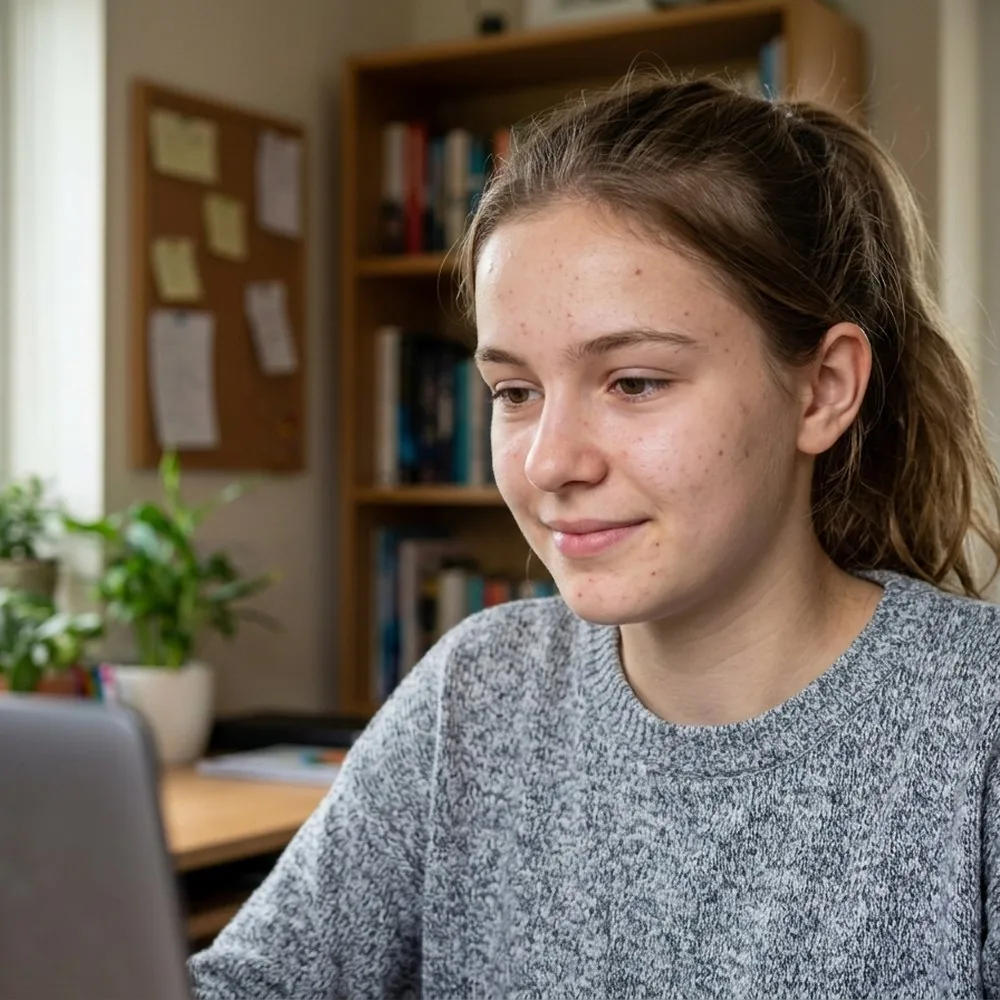
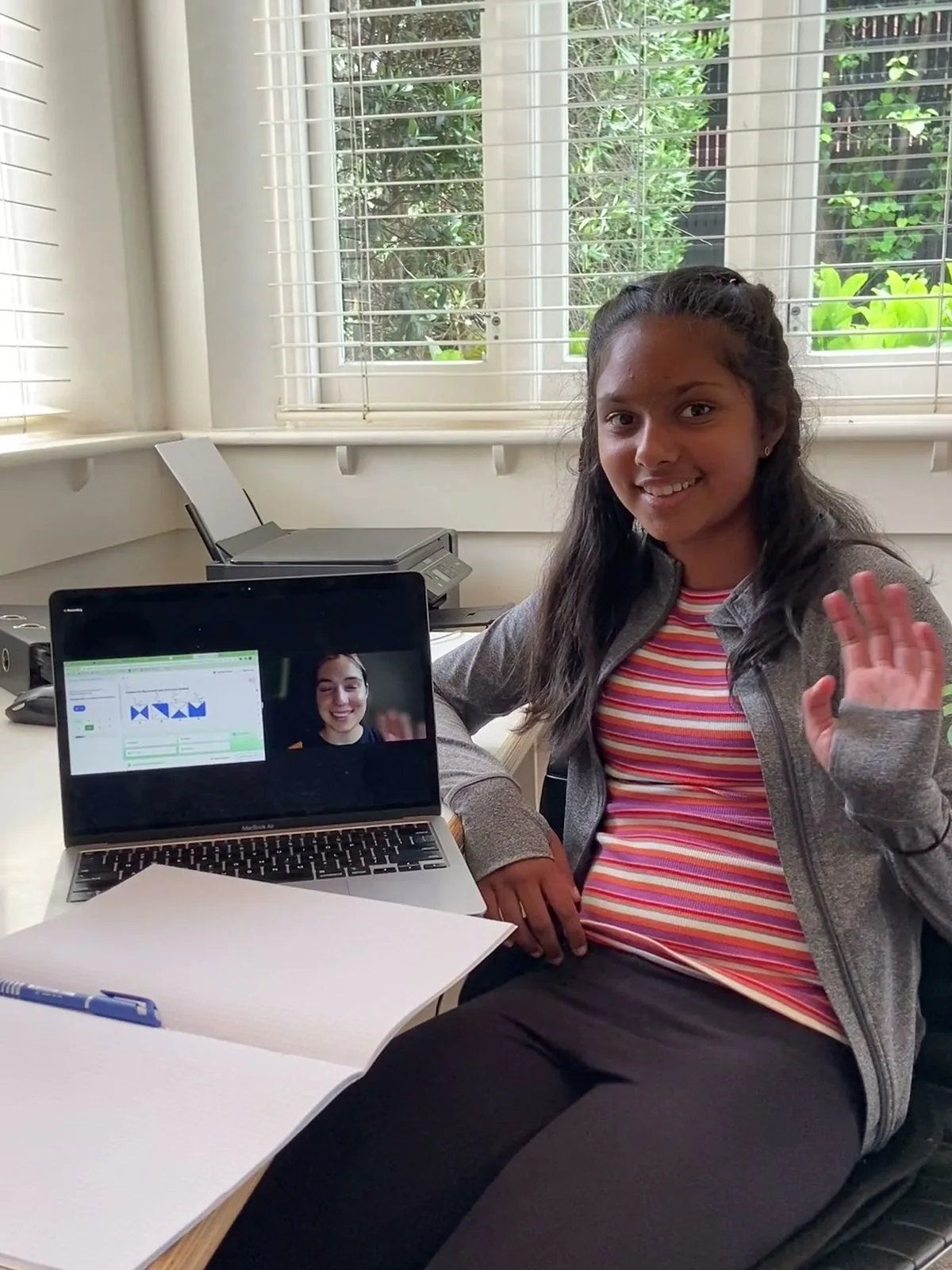
If your child says 'Can I do that question again?', you've found the tutor. That's the moment private tutoring is meant to create.
If your child says 'Can I do that question again?', you've found the tutor. That's the moment private tutoring is meant to create.
How does one-to-one attention from a tutor help a student?
One-to-one tutoring helps because the tutor only has one child to think about — every minute targets your child's specific gap, at their pace, with no waiting and no being talked over. In a regular classroom, it is difficult for children to receive that kind of individual attention. Imagine a classroom filled with 20–25 students, each learning at their own pace with unique needs. Some students struggle with theoretical concepts, while others excel and seek more challenging material. This range of learning demands makes it tough for teachers to personalize their approach for every student.
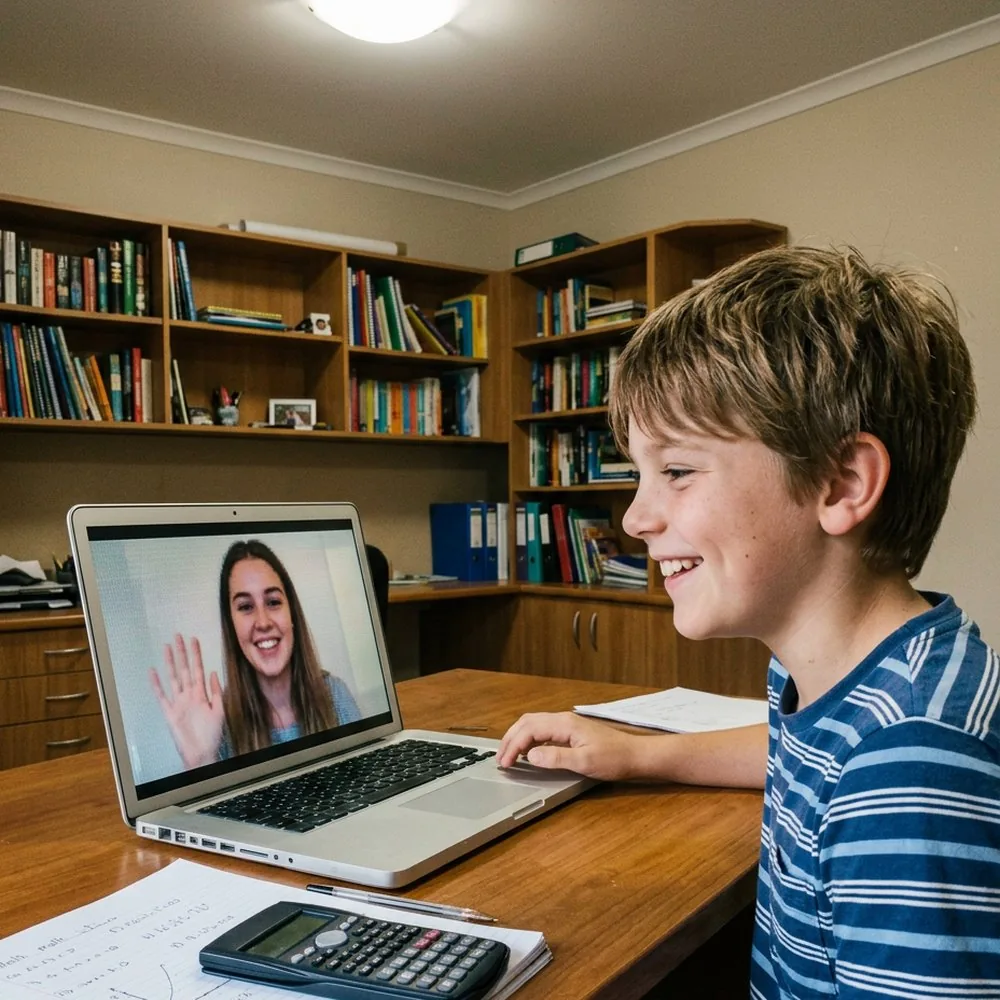
Unlike the traditional classroom environment, private and online tutoring allows the tutor to concentrate on one child at a time, customizing their teaching strategies to suit the child's needs. For a 4th-grader that might be a twenty-minute whiteboard explanation of place value. For an 11th-grader it might be ninety minutes unpacking a single SAT math question. The session shape changes with the grade level, the focus does not.
Tutors encourage independent thinking, stimulate curiosity by asking questions, and promote creative problem-solving rather than just following instructions.
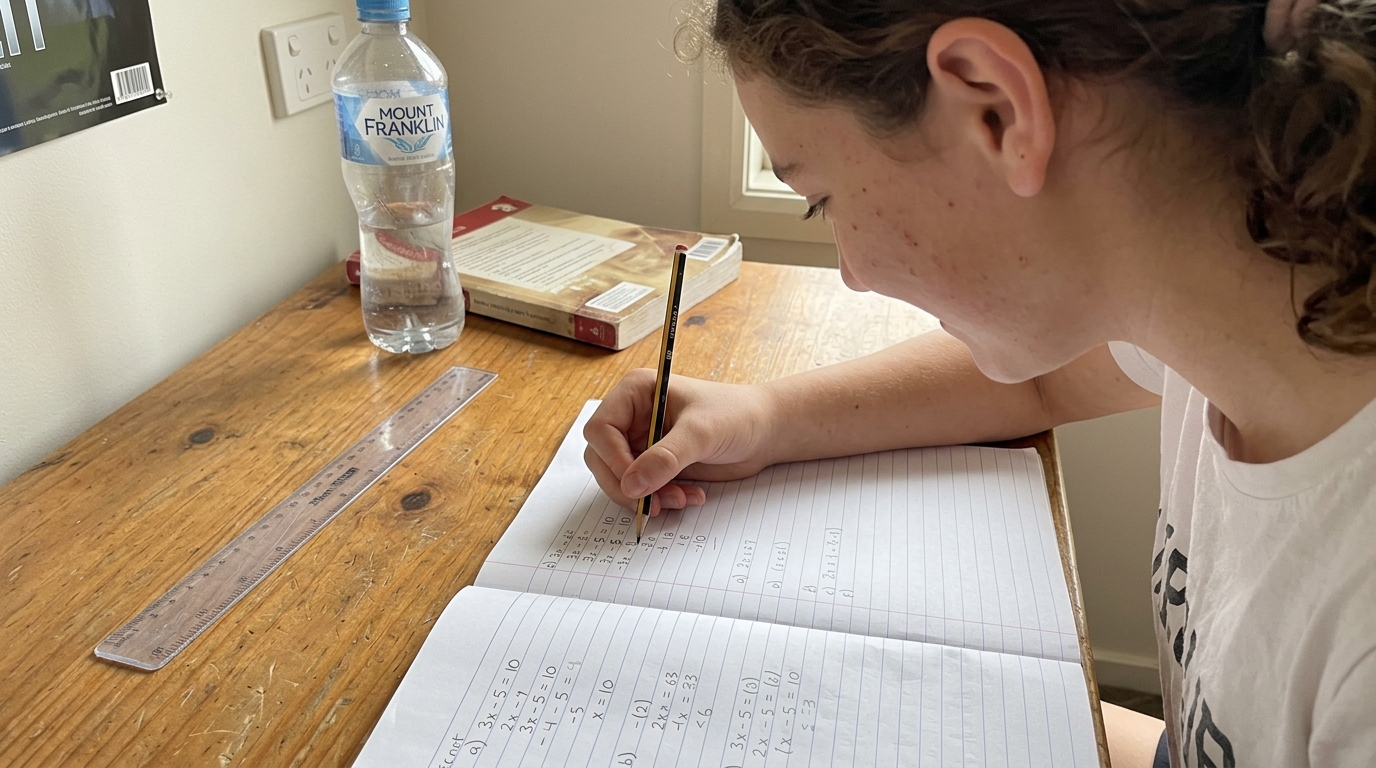
Research from the Education Endowment Foundation shows one-to-one tutoring delivers an average of five additional months' progress per year for the students who receive it. Students can identify and tackle their specific challenges with tailored, one-on-one guidance, preventing academic problems from worsening and ensuring they reach their full potential.
What is a customized tutoring plan and how does it work?
A customized tutoring plan is a short, written diagnosis of where your child is, where they need to get to, and the order the tutor will work through topics — built session-by-session around the child's strengths and gaps. Just as judging a fish by its ability to climb a tree is misguided, traditional education can sometimes overlook a child's unique strengths, potentially harming their confidence. The goal of learning should be to help students recognize and develop their capabilities.
Every child learns differently. Private and online tutors assess each student's learning style, strengths, and areas for improvement. Once these are identified, tutors develop customized learning programs that leverage a child's strengths while addressing their gaps. These programs can cover any subject — including math, English and science — from elementary literacy through to AP, SAT and ACT preparation.
Why do students ask more questions with a tutor than in class?
Students ask more questions with a tutor because there is no audience — no classmates to perform for, no risk of looking silly, just one trusted adult whose whole job is to answer the question. Tutors often develop strong, trusting relationships with their students, providing a safe space where students can openly discuss their learning challenges. This environment vastly differs from a typical classroom, where many students feel too shy or embarrassed to ask questions they consider 'silly'. This hesitation prevents students from clearing their doubts, which often become more significant learning gaps.
Effective tutors create a welcoming and supportive atmosphere, which is crucial for learning. They also provide a space where students feel comfortable discussing sensitive issues such as anxiety, bullying, or other difficulties affecting their academic performance. This close bond also allows tutors to model a positive attitude towards school and learning, significantly influencing a student's approach to their education.
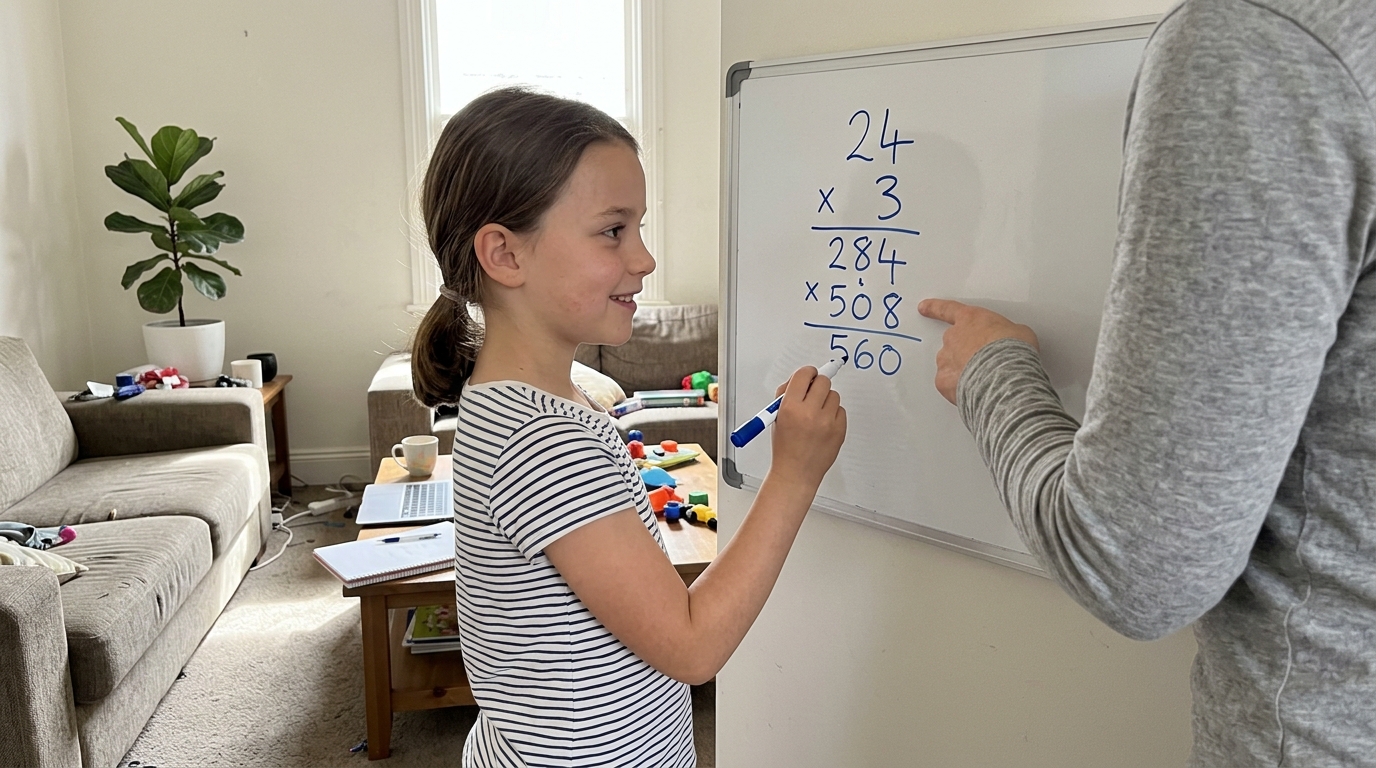
How does private tutoring build a student's confidence?
Private tutoring builds confidence by giving a student repeated small wins in private — they get a question right, then another, then explain it back to the tutor — and that quiet evidence rebuilds the belief that they can have a go in class again. Students struggling with a subject can see both their grades and self-confidence take a hit, and while grades can improve with practice, lingering self-doubt can be more challenging.
Consider an 8th-grader who has fallen behind on algebra. Even after mastering the basics again, this student might still freeze when faced with more advanced topics. The problem often isn't a lack of knowledge but rather a lack of confidence, which can limit their progress. The same pattern shows up in a 3rd-grader avoiding reading aloud after one bad classroom moment, or a high-school senior second-guessing every step of an SAT practice problem.
In these situations, students need reassurance about their understanding. In a typical classroom, they may not feel comfortable confirming their answers, missing the clarity they need. Private and online tutoring helps rebuild this confidence by providing a supportive environment where students can learn new material, validate their solutions, and rediscover the joy of learning. This renewed self-assurance is crucial for long-term academic success.
If your child says 'Can I do that question again?', you've found the tutor.
Does private tutoring actually improve grades?
Yes — when tutoring is regular, well-matched and the earlier benefits are in place, grades follow. At Tutero, we see improved grades and academic performance as natural outcomes of the earlier benefits. Enhanced academic performance follows when students close their learning gaps, feel at ease in their learning environment, develop problem-solving skills, and regain confidence.
For elementary students that often shows up as a state-test score lift or a parent noticing their child reading for fun. For middle-school students it's a math topic test that goes from a C to a B+ over a quarter. For high-school students it's an SAT or ACT score that opens or closes college options.
Why is online tutoring essential for some students?
Online tutoring is essential for students whose local market can't supply the right specialist — rural families, niche AP courses, or students who need a particular kind of tutor (calm, neurodiversity-friendly, exam-focused) who simply doesn't live nearby. The education landscape has significantly evolved in recent years, underscoring the importance of flexible and personalized learning solutions. While the shift to remote learning presented challenges, it also revealed the potential of online education to provide consistent support tailored to each student's needs.
Online tutoring also widens the pool of qualified tutors a family can reach — a rural Texas 11th-grader can work with a New York specialist who actually knows the AP US History course, instead of being limited to whoever lives within a 20-minute drive.
As schools return to in-person learning, parents must understand how their children have adjusted and whether they are thriving. If your child is finding it difficult to catch up, is experiencing a drop in confidence, or seems disengaged with traditional classroom learning, online tutoring offers a targeted approach to address these issues. With one-on-one attention and customized learning plans, online tutoring can help your child regain confidence, master new content, and rediscover their enjoyment of learning. Exploring online tutoring might be critical in supporting your child's educational journey.

Across the United States, the share of families using private tutoring has risen sharply since 2020, with national surveys putting the number at around one in three students getting some form of academic support outside school. The reasons families call vary — exam pressure, a confidence wobble, a topic that didn't click in class — but the question they end up asking is the same. What does private tutoring actually do for my child that the classroom can't?
This guide answers that question honestly, in plain English, for elementary, middle-school and high-school students — including those preparing for the SAT, ACT or AP exams. The five benefits below are the ones parents tell our team made the difference — and the ones tutors at Tutero's online tutoring service work on every week.
Quick answer: what does private tutoring actually do?
Private tutoring works because it gives one student the undivided, paced, judgment-free attention a class of 25 cannot. A good tutor finds the specific gap your child has, fills it at the pace they need, and rebuilds the confidence that lets them have a go in class again. The five benefits below — individual attention, customized plans, a safe space to ask, real confidence, and stronger grades — are the order in which they typically arrive.
How does one-to-one attention from a tutor help a student?
One-to-one tutoring helps because the tutor only has one child to think about — every minute targets your child's specific gap, at their pace, with no waiting and no being talked over. In a regular classroom, it is difficult for children to receive that kind of individual attention. Imagine a classroom filled with 20–25 students, each learning at their own pace with unique needs. Some students struggle with theoretical concepts, while others excel and seek more challenging material. This range of learning demands makes it tough for teachers to personalize their approach for every student.
Unlike the traditional classroom environment, private and online tutoring allows the tutor to concentrate on one child at a time, customizing their teaching strategies to suit the child's needs. For a 4th-grader that might be a twenty-minute whiteboard explanation of place value. For an 11th-grader it might be ninety minutes unpacking a single SAT math question. The session shape changes with the grade level, the focus does not.
Tutors encourage independent thinking, stimulate curiosity by asking questions, and promote creative problem-solving rather than just following instructions.
Research from the Education Endowment Foundation shows one-to-one tutoring delivers an average of five additional months' progress per year for the students who receive it. Students can identify and tackle their specific challenges with tailored, one-on-one guidance, preventing academic problems from worsening and ensuring they reach their full potential.
What is a customized tutoring plan and how does it work?
A customized tutoring plan is a short, written diagnosis of where your child is, where they need to get to, and the order the tutor will work through topics — built session-by-session around the child's strengths and gaps. Just as judging a fish by its ability to climb a tree is misguided, traditional education can sometimes overlook a child's unique strengths, potentially harming their confidence. The goal of learning should be to help students recognize and develop their capabilities.
Every child learns differently. Private and online tutors assess each student's learning style, strengths, and areas for improvement. Once these are identified, tutors develop customized learning programs that leverage a child's strengths while addressing their gaps. These programs can cover any subject — including math, English and science — from elementary literacy through to AP, SAT and ACT preparation.
Why do students ask more questions with a tutor than in class?
Students ask more questions with a tutor because there is no audience — no classmates to perform for, no risk of looking silly, just one trusted adult whose whole job is to answer the question. Tutors often develop strong, trusting relationships with their students, providing a safe space where students can openly discuss their learning challenges. This environment vastly differs from a typical classroom, where many students feel too shy or embarrassed to ask questions they consider 'silly'. This hesitation prevents students from clearing their doubts, which often become more significant learning gaps.
Effective tutors create a welcoming and supportive atmosphere, which is crucial for learning. They also provide a space where students feel comfortable discussing sensitive issues such as anxiety, bullying, or other difficulties affecting their academic performance. This close bond also allows tutors to model a positive attitude towards school and learning, significantly influencing a student's approach to their education.
How does private tutoring build a student's confidence?
Private tutoring builds confidence by giving a student repeated small wins in private — they get a question right, then another, then explain it back to the tutor — and that quiet evidence rebuilds the belief that they can have a go in class again. Students struggling with a subject can see both their grades and self-confidence take a hit, and while grades can improve with practice, lingering self-doubt can be more challenging.
Consider an 8th-grader who has fallen behind on algebra. Even after mastering the basics again, this student might still freeze when faced with more advanced topics. The problem often isn't a lack of knowledge but rather a lack of confidence, which can limit their progress. The same pattern shows up in a 3rd-grader avoiding reading aloud after one bad classroom moment, or a high-school senior second-guessing every step of an SAT practice problem.
In these situations, students need reassurance about their understanding. In a typical classroom, they may not feel comfortable confirming their answers, missing the clarity they need. Private and online tutoring helps rebuild this confidence by providing a supportive environment where students can learn new material, validate their solutions, and rediscover the joy of learning. This renewed self-assurance is crucial for long-term academic success.
If your child says 'Can I do that question again?', you've found the tutor.
Does private tutoring actually improve grades?
Yes — when tutoring is regular, well-matched and the earlier benefits are in place, grades follow. At Tutero, we see improved grades and academic performance as natural outcomes of the earlier benefits. Enhanced academic performance follows when students close their learning gaps, feel at ease in their learning environment, develop problem-solving skills, and regain confidence.
For elementary students that often shows up as a state-test score lift or a parent noticing their child reading for fun. For middle-school students it's a math topic test that goes from a C to a B+ over a quarter. For high-school students it's an SAT or ACT score that opens or closes college options.
Why is online tutoring essential for some students?
Online tutoring is essential for students whose local market can't supply the right specialist — rural families, niche AP courses, or students who need a particular kind of tutor (calm, neurodiversity-friendly, exam-focused) who simply doesn't live nearby. The education landscape has significantly evolved in recent years, underscoring the importance of flexible and personalized learning solutions. While the shift to remote learning presented challenges, it also revealed the potential of online education to provide consistent support tailored to each student's needs.
Online tutoring also widens the pool of qualified tutors a family can reach — a rural Texas 11th-grader can work with a New York specialist who actually knows the AP US History course, instead of being limited to whoever lives within a 20-minute drive.
As schools return to in-person learning, parents must understand how their children have adjusted and whether they are thriving. If your child is finding it difficult to catch up, is experiencing a drop in confidence, or seems disengaged with traditional classroom learning, online tutoring offers a targeted approach to address these issues. With one-on-one attention and customized learning plans, online tutoring can help your child regain confidence, master new content, and rediscover their enjoyment of learning. Exploring online tutoring might be critical in supporting your child's educational journey.
If your child says 'Can I do that question again?', you've found the tutor. That's the moment private tutoring is meant to create.
If your child says 'Can I do that question again?', you've found the tutor. That's the moment private tutoring is meant to create.

If your child says 'Can I do that question again?', you've found the tutor. That's the moment private tutoring is meant to create.
How does one-to-one attention from a tutor help a student?
One-to-one tutoring helps because the tutor only has one child to think about — every minute targets your child's specific gap, at their pace, with no waiting and no being talked over. In a regular classroom, it is difficult for children to receive that kind of individual attention. Imagine a classroom filled with 20–25 students, each learning at their own pace with unique needs. Some students struggle with theoretical concepts, while others excel and seek more challenging material. This range of learning demands makes it tough for teachers to personalize their approach for every student.
Unlike the traditional classroom environment, private and online tutoring allows the tutor to concentrate on one child at a time, customizing their teaching strategies to suit the child's needs. For a 4th-grader that might be a twenty-minute whiteboard explanation of place value. For an 11th-grader it might be ninety minutes unpacking a single SAT math question. The session shape changes with the grade level, the focus does not.
Tutors encourage independent thinking, stimulate curiosity by asking questions, and promote creative problem-solving rather than just following instructions.
Research from the Education Endowment Foundation shows one-to-one tutoring delivers an average of five additional months' progress per year for the students who receive it. Students can identify and tackle their specific challenges with tailored, one-on-one guidance, preventing academic problems from worsening and ensuring they reach their full potential.
What is a customized tutoring plan and how does it work?
A customized tutoring plan is a short, written diagnosis of where your child is, where they need to get to, and the order the tutor will work through topics — built session-by-session around the child's strengths and gaps. Just as judging a fish by its ability to climb a tree is misguided, traditional education can sometimes overlook a child's unique strengths, potentially harming their confidence. The goal of learning should be to help students recognize and develop their capabilities.
Every child learns differently. Private and online tutors assess each student's learning style, strengths, and areas for improvement. Once these are identified, tutors develop customized learning programs that leverage a child's strengths while addressing their gaps. These programs can cover any subject — including math, English and science — from elementary literacy through to AP, SAT and ACT preparation.
Why do students ask more questions with a tutor than in class?
Students ask more questions with a tutor because there is no audience — no classmates to perform for, no risk of looking silly, just one trusted adult whose whole job is to answer the question. Tutors often develop strong, trusting relationships with their students, providing a safe space where students can openly discuss their learning challenges. This environment vastly differs from a typical classroom, where many students feel too shy or embarrassed to ask questions they consider 'silly'. This hesitation prevents students from clearing their doubts, which often become more significant learning gaps.
Effective tutors create a welcoming and supportive atmosphere, which is crucial for learning. They also provide a space where students feel comfortable discussing sensitive issues such as anxiety, bullying, or other difficulties affecting their academic performance. This close bond also allows tutors to model a positive attitude towards school and learning, significantly influencing a student's approach to their education.
How does private tutoring build a student's confidence?
Private tutoring builds confidence by giving a student repeated small wins in private — they get a question right, then another, then explain it back to the tutor — and that quiet evidence rebuilds the belief that they can have a go in class again. Students struggling with a subject can see both their grades and self-confidence take a hit, and while grades can improve with practice, lingering self-doubt can be more challenging.
Consider an 8th-grader who has fallen behind on algebra. Even after mastering the basics again, this student might still freeze when faced with more advanced topics. The problem often isn't a lack of knowledge but rather a lack of confidence, which can limit their progress. The same pattern shows up in a 3rd-grader avoiding reading aloud after one bad classroom moment, or a high-school senior second-guessing every step of an SAT practice problem.
In these situations, students need reassurance about their understanding. In a typical classroom, they may not feel comfortable confirming their answers, missing the clarity they need. Private and online tutoring helps rebuild this confidence by providing a supportive environment where students can learn new material, validate their solutions, and rediscover the joy of learning. This renewed self-assurance is crucial for long-term academic success.
If your child says 'Can I do that question again?', you've found the tutor.
Does private tutoring actually improve grades?
Yes — when tutoring is regular, well-matched and the earlier benefits are in place, grades follow. At Tutero, we see improved grades and academic performance as natural outcomes of the earlier benefits. Enhanced academic performance follows when students close their learning gaps, feel at ease in their learning environment, develop problem-solving skills, and regain confidence.
For elementary students that often shows up as a state-test score lift or a parent noticing their child reading for fun. For middle-school students it's a math topic test that goes from a C to a B+ over a quarter. For high-school students it's an SAT or ACT score that opens or closes college options.
Why is online tutoring essential for some students?
Online tutoring is essential for students whose local market can't supply the right specialist — rural families, niche AP courses, or students who need a particular kind of tutor (calm, neurodiversity-friendly, exam-focused) who simply doesn't live nearby. The education landscape has significantly evolved in recent years, underscoring the importance of flexible and personalized learning solutions. While the shift to remote learning presented challenges, it also revealed the potential of online education to provide consistent support tailored to each student's needs.
Online tutoring also widens the pool of qualified tutors a family can reach — a rural Texas 11th-grader can work with a New York specialist who actually knows the AP US History course, instead of being limited to whoever lives within a 20-minute drive.
As schools return to in-person learning, parents must understand how their children have adjusted and whether they are thriving. If your child is finding it difficult to catch up, is experiencing a drop in confidence, or seems disengaged with traditional classroom learning, online tutoring offers a targeted approach to address these issues. With one-on-one attention and customized learning plans, online tutoring can help your child regain confidence, master new content, and rediscover their enjoyment of learning. Exploring online tutoring might be critical in supporting your child's educational journey.
Across the United States, the share of families using private tutoring has risen sharply since 2020, with national surveys putting the number at around one in three students getting some form of academic support outside school. The reasons families call vary — exam pressure, a confidence wobble, a topic that didn't click in class — but the question they end up asking is the same. What does private tutoring actually do for my child that the classroom can't?
This guide answers that question honestly, in plain English, for elementary, middle-school and high-school students — including those preparing for the SAT, ACT or AP exams. The five benefits below are the ones parents tell our team made the difference — and the ones tutors at Tutero's online tutoring service work on every week.
Quick answer: what does private tutoring actually do?
Private tutoring works because it gives one student the undivided, paced, judgment-free attention a class of 25 cannot. A good tutor finds the specific gap your child has, fills it at the pace they need, and rebuilds the confidence that lets them have a go in class again. The five benefits below — individual attention, customized plans, a safe space to ask, real confidence, and stronger grades — are the order in which they typically arrive.
If your child says 'Can I do that question again?', you've found the tutor. That's the moment private tutoring is meant to create.
How does one-to-one attention from a tutor help a student?
One-to-one tutoring helps because the tutor only has one child to think about — every minute targets your child's specific gap, at their pace, with no waiting and no being talked over. In a regular classroom, it is difficult for children to receive that kind of individual attention. Imagine a classroom filled with 20–25 students, each learning at their own pace with unique needs. Some students struggle with theoretical concepts, while others excel and seek more challenging material. This range of learning demands makes it tough for teachers to personalize their approach for every student.
Unlike the traditional classroom environment, private and online tutoring allows the tutor to concentrate on one child at a time, customizing their teaching strategies to suit the child's needs. For a 4th-grader that might be a twenty-minute whiteboard explanation of place value. For an 11th-grader it might be ninety minutes unpacking a single SAT math question. The session shape changes with the grade level, the focus does not.
Tutors encourage independent thinking, stimulate curiosity by asking questions, and promote creative problem-solving rather than just following instructions.
Research from the Education Endowment Foundation shows one-to-one tutoring delivers an average of five additional months' progress per year for the students who receive it. Students can identify and tackle their specific challenges with tailored, one-on-one guidance, preventing academic problems from worsening and ensuring they reach their full potential.
What is a customized tutoring plan and how does it work?
A customized tutoring plan is a short, written diagnosis of where your child is, where they need to get to, and the order the tutor will work through topics — built session-by-session around the child's strengths and gaps. Just as judging a fish by its ability to climb a tree is misguided, traditional education can sometimes overlook a child's unique strengths, potentially harming their confidence. The goal of learning should be to help students recognize and develop their capabilities.
Every child learns differently. Private and online tutors assess each student's learning style, strengths, and areas for improvement. Once these are identified, tutors develop customized learning programs that leverage a child's strengths while addressing their gaps. These programs can cover any subject — including math, English and science — from elementary literacy through to AP, SAT and ACT preparation.
Why do students ask more questions with a tutor than in class?
Students ask more questions with a tutor because there is no audience — no classmates to perform for, no risk of looking silly, just one trusted adult whose whole job is to answer the question. Tutors often develop strong, trusting relationships with their students, providing a safe space where students can openly discuss their learning challenges. This environment vastly differs from a typical classroom, where many students feel too shy or embarrassed to ask questions they consider 'silly'. This hesitation prevents students from clearing their doubts, which often become more significant learning gaps.
Effective tutors create a welcoming and supportive atmosphere, which is crucial for learning. They also provide a space where students feel comfortable discussing sensitive issues such as anxiety, bullying, or other difficulties affecting their academic performance. This close bond also allows tutors to model a positive attitude towards school and learning, significantly influencing a student's approach to their education.
How does private tutoring build a student's confidence?
Private tutoring builds confidence by giving a student repeated small wins in private — they get a question right, then another, then explain it back to the tutor — and that quiet evidence rebuilds the belief that they can have a go in class again. Students struggling with a subject can see both their grades and self-confidence take a hit, and while grades can improve with practice, lingering self-doubt can be more challenging.
Consider an 8th-grader who has fallen behind on algebra. Even after mastering the basics again, this student might still freeze when faced with more advanced topics. The problem often isn't a lack of knowledge but rather a lack of confidence, which can limit their progress. The same pattern shows up in a 3rd-grader avoiding reading aloud after one bad classroom moment, or a high-school senior second-guessing every step of an SAT practice problem.
In these situations, students need reassurance about their understanding. In a typical classroom, they may not feel comfortable confirming their answers, missing the clarity they need. Private and online tutoring helps rebuild this confidence by providing a supportive environment where students can learn new material, validate their solutions, and rediscover the joy of learning. This renewed self-assurance is crucial for long-term academic success.
If your child says 'Can I do that question again?', you've found the tutor.
Does private tutoring actually improve grades?
Yes — when tutoring is regular, well-matched and the earlier benefits are in place, grades follow. At Tutero, we see improved grades and academic performance as natural outcomes of the earlier benefits. Enhanced academic performance follows when students close their learning gaps, feel at ease in their learning environment, develop problem-solving skills, and regain confidence.
For elementary students that often shows up as a state-test score lift or a parent noticing their child reading for fun. For middle-school students it's a math topic test that goes from a C to a B+ over a quarter. For high-school students it's an SAT or ACT score that opens or closes college options.
Why is online tutoring essential for some students?
Online tutoring is essential for students whose local market can't supply the right specialist — rural families, niche AP courses, or students who need a particular kind of tutor (calm, neurodiversity-friendly, exam-focused) who simply doesn't live nearby. The education landscape has significantly evolved in recent years, underscoring the importance of flexible and personalized learning solutions. While the shift to remote learning presented challenges, it also revealed the potential of online education to provide consistent support tailored to each student's needs.
Online tutoring also widens the pool of qualified tutors a family can reach — a rural Texas 11th-grader can work with a New York specialist who actually knows the AP US History course, instead of being limited to whoever lives within a 20-minute drive.
As schools return to in-person learning, parents must understand how their children have adjusted and whether they are thriving. If your child is finding it difficult to catch up, is experiencing a drop in confidence, or seems disengaged with traditional classroom learning, online tutoring offers a targeted approach to address these issues. With one-on-one attention and customized learning plans, online tutoring can help your child regain confidence, master new content, and rediscover their enjoyment of learning. Exploring online tutoring might be critical in supporting your child's educational journey.
.svg)
.svg)
For most families, yes — when the tutor is genuinely matched to the child's grade level and topic. Typical rates run $40–$80/hr, with certified-teacher tutors at the higher end. Worth it usually shows up as a confidence shift in the first 2–3 sessions, then a topic-test or quarter improvement. It is not worth it if your child needs occupational therapy, speech support or a pediatric assessment first — get those in train before paying for tutoring.
Private (one-to-one) tutoring is one tutor, one student, one session. Group tutoring is one tutor with 3–8 students working through similar material. One-to-one delivers around five additional months of progress per year on average; group tutoring delivers about three. Private tutoring usually costs more per hour but compresses the work into fewer sessions because every minute is spent on your child's specific gap.
Private tutoring helps every grade level when it's matched correctly. For K–4 it works best as short 30-minute sessions on phonics, reading, or basic math, ideally with a parent in the next room for the first few sessions. For grades 5–8 it helps with topic gaps, study skills and test anxiety. For grades 9–12 it's about course coaching, AP exam prep, and SAT/ACT — past papers, exam technique and the specific topics that scale poorly under exam pressure.
Confidence shifts first, usually within 2–3 sessions — your child stops dreading the subject. Topic-level grades usually move over the next 4–8 weeks of weekly sessions, in line with the next assessment cycle at school. Whole-of-year improvements (state-test scores, end-of-year report cards, AP/SAT scores) become visible at the next reporting moment. If nothing has shifted at all by session 6, the tutor-student match is wrong — switch tutors, not products.
There are three honest routes: managed services like Tutero where the company screens, matches and supports the tutor (highest service, predictable rate); marketplaces where you browse profiles and book directly (lower price, you do the screening); and personal referrals from your child's school or community. Whichever route you take, ask for a background check, a trial session, and a clear plan for the first month.
Hoping to improve confidence & grades?

.png)